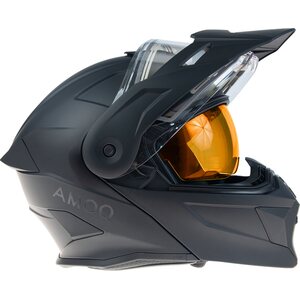
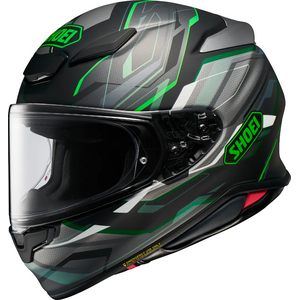
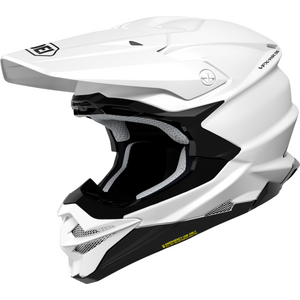
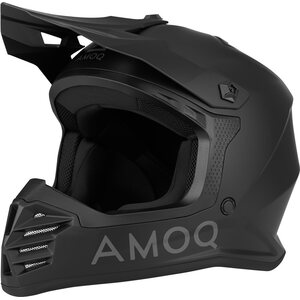
A full-face helmet protects the whole head and chin, which makes it the safest choice for road, street and track riding as well as long trips. It is also the quietest and the best at keeping the wind out.
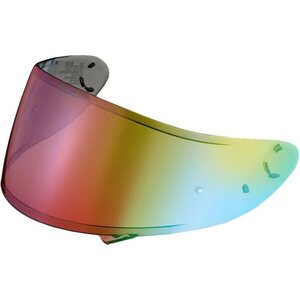
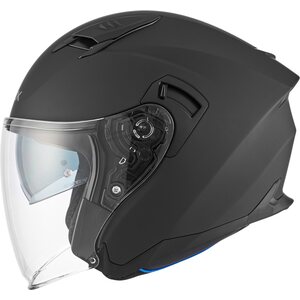
An open-face helmet is light and airy, and suits city riding and summer days. The trade-off is clear: your chin and face are left unprotected. That's why an open-face helmet is best used with a visor or riding glasses.
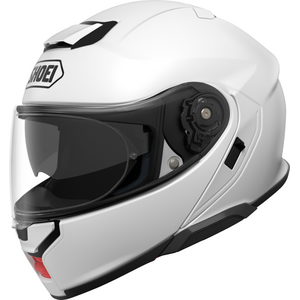
A flip-up / modular helmet combines the protection of a full-face helmet with the convenience of an open-face one. The chin bar lifts up, for example during a break or when refuelling.
An adventure helmet has a peak and a visor, and is made for touring bikes that travel on both tarmac and gravel.
A motocross helmet is light and well ventilated, and has room for goggles. It suits motocross, enduro and ATV riding.
Kids' helmets are chosen according to the child's own head size. Don't buy a helmet with room to grow into, because a helmet that is too large won't protect properly.
Helmet size and fit
Measure your head circumference with a flexible tape measure, above the eyebrows, over the ears and around the widest part of the back of the head. Compare the result with the manufacturer's size chart, as sizes vary from brand to brand.
A good helmet fits snugly, doesn't press anywhere and doesn't move on your head when you turn or tilt it. The chin strap is tightened so that the helmet can't come off your head.
If you're unsure, ask us for advice: myynti@takatalo.fi, +358 50 472 6290.
Helmet intercom for your motorcycle
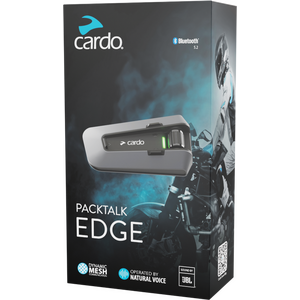
A helmet intercom is a Bluetooth device that attaches to the shell of your helmet. With it you can answer calls, listen to navigation instructions and music, and talk with your riding partner.
When choosing a motorcycle helmet intercom, compare range, battery life, voice control and water resistance. Always check that the mounting method suits your particular helmet model.
Safety, standards and replacement interval
An approved protective helmet must be worn on a motorcycle and a moped. The European ECE approval is the most common mark, and the latest standard is ECE 22.06. It is stricter than its predecessor ECE 22.05, and tests, among other things, rotational impacts and visors. A helmet has a limited service life: manufacturers recommend replacing your helmet every 3–5 years. After a hard impact or a crash the helmet must be replaced, even if no damage is visible.
Why buy your helmet from Takatalo?
Takatalo has been in business for over 40 years, and our store is in Salo. Our service workshop is in Salo and Masku. Shipping costs start from 0 euros, orders ship every working day and returns are free within 30 days.
Motorcycle helmet FAQ
Is a helmet mandatory on a motorcycle?
Yes. The rider of a motorcycle or moped must wear an approved protective helmet. For ATV riding and snowmobiling, too, a helmet is part of the essential gear.
What is the difference between a full-face and an open-face helmet?
A full-face helmet covers the whole head and chin, so it protects best and reduces wind pressure and noise. An open-face helmet is lighter and airier, but leaves the chin and face unprotected.
What kind of bike helmet should a beginner choose?
A good starting point is a full-face helmet that has ECE 22.06 approval and fits snugly. Choose the model according to your riding style: a road helmet for tarmac, an adventure helmet for touring and a motocross helmet for off-road.
What is ECE 22.06?
ECE 22.06 is the latest European approval standard for motorcycle helmets. It replaced ECE 22.05 and includes stricter tests.
How does a helmet intercom work?
A helmet intercom connects to your phone over Bluetooth. Its speakers and microphone are installed inside the helmet, and the controls are attached to the shell of the helmet. This way you can answer calls, listen to navigation and talk with another rider while riding.
Does an intercom fit every helmet?
It fits most full-face, open-face and flip-up helmets, but the mounting method and the shape of the shell make a difference. Check compatibility in the product details or ask us.
When should a helmet be replaced?
Usually every 3–5 years, depending on use and storage, and always after a crash or a hard impact. When a helmet is five years old, it gradually starts to lose its properties and its ability to protect the head from hard impacts. That is why it should be replaced regularly.
What makes a good kids' full-face helmet?
One that is approved and fits the child's head snugly without pressure points. Don't buy a helmet to grow into, and don't hand one down from an older sibling if the size doesn't match.